
Writing has always been a powerful way to share ideas, record history, and express creativity. One invention that completely changed how people write is the fountain pen. Many people still ask who invented the fountain pen and how this simple-looking tool became so important.
This guide explains the full history of the fountain pen in a clear and easy way. After reading this, you will not need to search for another article.
What Is a Fountain Pen and Why It Matters
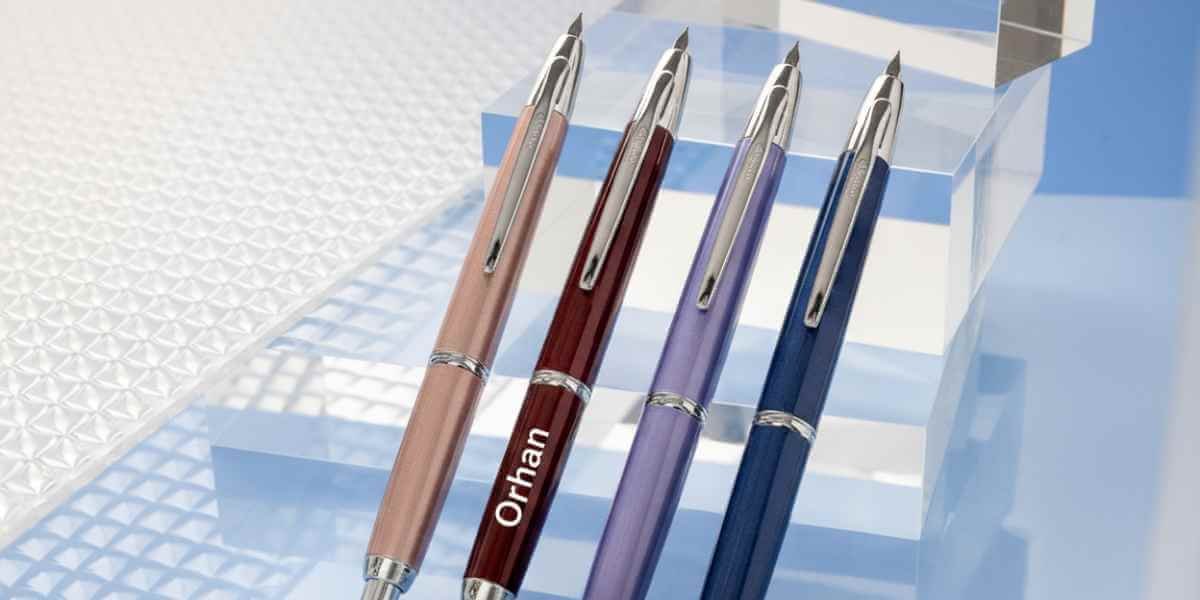
A fountain pen is a writing instrument that holds liquid ink inside a reservoir. Unlike dip pens, it does not need to be dipped into ink again and again. The ink flows smoothly to the nib while writing.
The fountain pen matters because it makes writing faster, cleaner, and more comfortable. Before it existed, writing was slow and messy. This invention helped students, writers, professionals, and businesses write with ease.
Who Invented the Fountain Pen
The clear and accepted answer to who invented the fountain pen is Lewis Edson Waterman. He is credited with creating the first fountain pen that delivered ink smoothly and did not leak during writing.
Before his invention, many people tried to design pens that could store ink inside. Most of these early attempts failed because the ink flow was not controlled properly.
Some pens released too much ink and caused messy stains. Others stopped writing in the middle of a sentence. Because of these problems, fountain pens were not trusted for regular use.
Lewis Edson Waterman carefully studied these issues and found a simple solution to control ink flow. His improved design made fountain pens reliable, easy to use, and suitable for everyday writing.
Early Writing Tools Before the Fountain Pen
Before fountain pens, people used basic writing tools such as reeds and brushes. These tools required frequent dipping in ink and were hard to control.
Later, quill pens made from bird feathers became popular. They improved writing quality but still needed constant dipping. Ink spills and uneven lines were common problems.
Dip pens came next and used metal nibs. They were stronger than quills but still depended on ink bottles. Writing long documents was tiring and inefficient.
The First Recorded Fountain Pen Concept
The idea of storing ink inside a pen is very old. Historical records suggest that early versions of ink-holding pens existed during ancient times.
Some Roman-era references describe hollow writing instruments that carried ink. These designs were creative but not practical. Ink flow was inconsistent, and leakage was common.
Because of these issues, early fountain pen ideas did not gain popularity.
Lewis Edson Waterman and the Modern Fountain Pen
Lewis Edson Waterman changed everything. He was an insurance agent who depended on clear writing for contracts.
A famous story says a leaking pen ruined an important document, costing him a deal. This frustration pushed him to improve pen design.
In 1884, he patented a fountain pen that worked reliably. This invention marked the birth of the modern fountain pen.
Problems With Early Fountain Pens
Before Waterman, fountain pens had serious flaws. Ink either flowed too fast or stopped completely.
Leakage was common, especially when writing at different angles. Air pressure issues caused blotches on paper.
Because of these problems, people did not trust fountain pens for daily use.
How Waterman Solved the Ink Flow Problem
Waterman introduced a capillary feed system. This system controlled how ink moved from the reservoir to the nib.
Tiny channels allowed air and ink to balance properly. This ensured smooth ink flow without spills.
This simple but smart solution made fountain pens reliable. Writers could now focus on writing instead of fixing ink problems.
When Was the Fountain Pen Invented
The idea of the fountain pen developed over many centuries, but it became truly usable in the late 19th century. Before this time, fountain pens existed only as experiments and were not reliable for daily writing.
Most early designs suffered from ink leakage and uneven flow. These problems made them difficult to use and hard to trust.
The real breakthrough came in 1884 when Lewis Edson Waterman introduced a practical design. His invention controlled ink flow properly and allowed people to write smoothly without constant ink issues.
This moment marked the shift from trial designs to fountain pens becoming everyday writing tools used by students, professionals, and businesses.
Key Dates in Fountain Pen History
| Year | Event |
| 10th century | Early ink reservoir pen concepts appear |
| 1700s | Experimental fountain pens developed |
| 1827 | First fountain pen patent issued |
| 1884 | Waterman patents a reliable fountain pen |
| Early 1900s | Fountain pens become widely used |
How Fountain Pens Changed Writing Forever
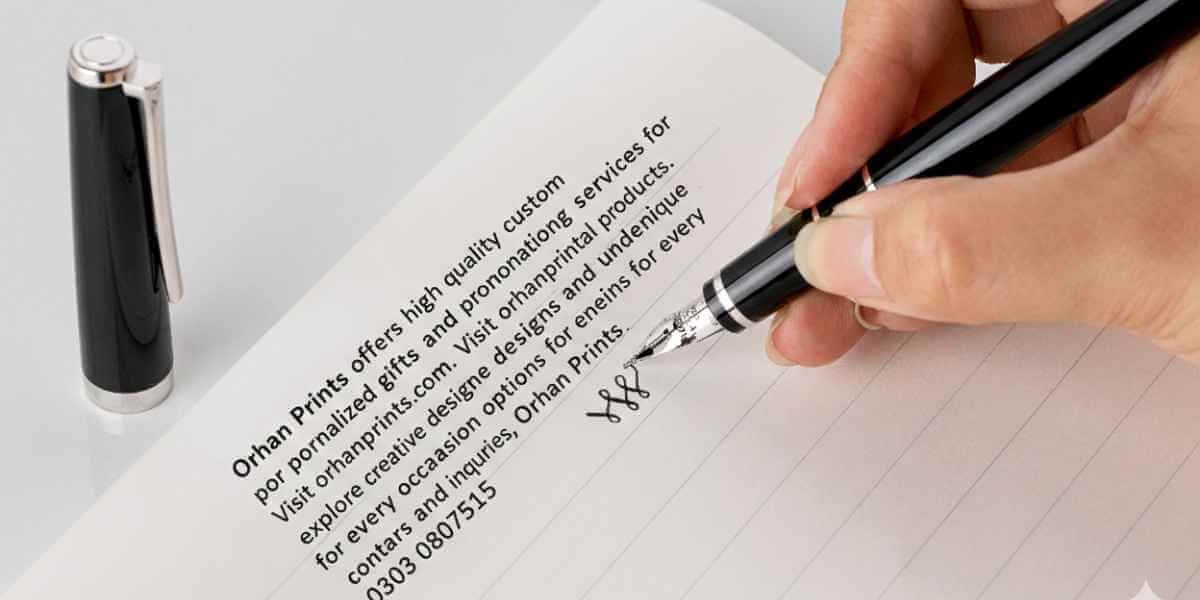
The fountain pen transformed writing habits across the world. It reduced effort and increased speed.
People could write longer documents without hand fatigue. Ink flow consistency improved handwriting quality.
Fountain pens also made writing more personal. Writers developed unique styles based on nib types and ink choices.
Impact on Education, Business, and Creativity
Students found fountain pens easier to use for long notes. Teachers appreciated cleaner writing and fewer ink stains.
Businesses relied on fountain pens for contracts and records. The smooth ink flow gave documents a professional look.
Artists and writers loved fountain pens for expressive writing. Ink variation added character to words and sketches.
Fountain Pens vs Dip Pens
Fountain pens replaced dip pens because they solved many common writing problems. Dip pens needed to be dipped into ink again and again, which broke the writing flow.
Ink from dip pens often dripped on paper or dried too fast. This made writing messy and slowed down the process.
Fountain pens store ink inside the pen, so writing becomes smooth and continuous. There is no need to stop frequently for ink.
Because of this convenience and clean writing experience, fountain pens became the preferred choice for everyday writing.
Why Fountain Pens Replaced Dip Pens
Fountain pens were easier to carry. Writers no longer needed ink bottles everywhere.
They saved time and reduced mess. Clean pages became normal instead of ink-stained sheets.
Comfort also improved. Writers could focus on ideas rather than tools.
Are Fountain Pens Still Used Today
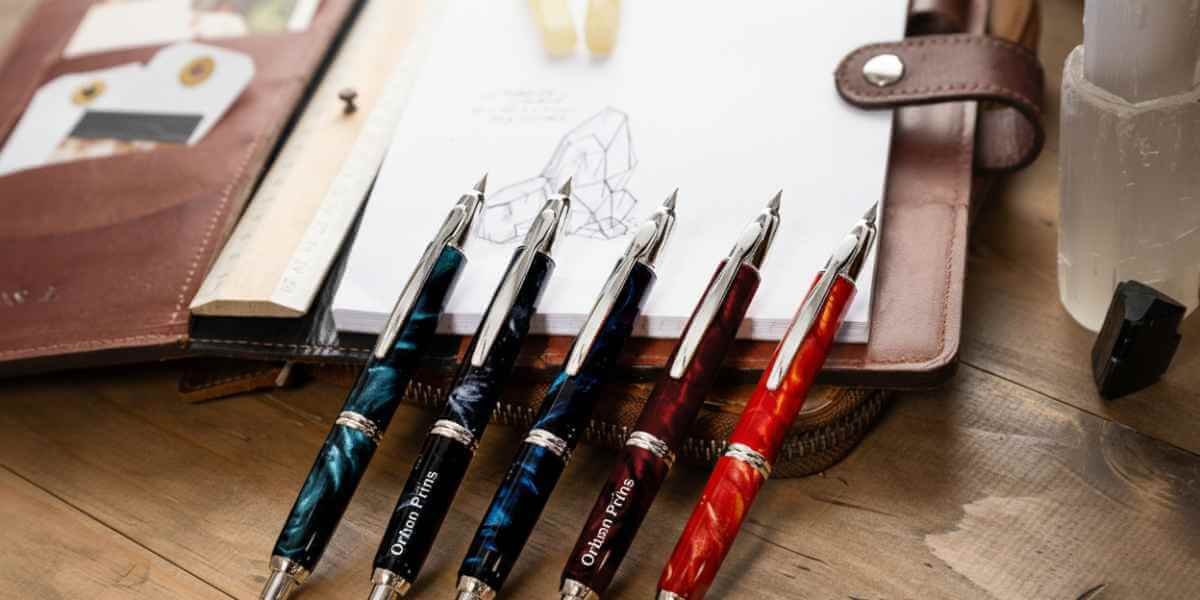
Yes, fountain pens are still widely used and admired today. They are no longer seen as just writing tools but as symbols of quality, style, and personal expression.
Many people choose fountain pens for journaling, signing important documents, and special occasions. The smooth ink flow makes writing more comfortable and enjoyable.
Modern fountain pens blend traditional design with better materials and improved ink systems. This makes them reliable, long-lasting, and suitable for everyday use as well as premium gifting.
Fountain Pens in Schools, Offices, and Gifts
Some students use fountain pens to improve handwriting control. Professionals use them for signatures and meetings.
Fountain pens are also popular as thoughtful gifts. They represent elegance, learning, and professionalism.
Personalized fountain pens are especially valued because they feel unique and meaningful.
Fountain Pens as Personalized Gifts
Fountain pens are often chosen as personalized gifts for promotions and special events. They are useful, elegant, and appreciated by people of all ages.
Adding a name or logo turns a simple pen into a meaningful and memorable item. Every time the pen is used, it reminds the user of the brand.
Because of this lasting value, many businesses invest in PEN PRINTING to create high-quality customized fountain pens that leave a strong and professional impression.
Why Custom Pens Are Popular
Custom pens are affordable and practical. People use them daily, which keeps the brand visible.
They are suitable for offices, events, and giveaways. A well-printed pen reflects professionalism.
High-quality printing ensures the design stays clear and durable.
How Printed Pens Help Brands Stand Out
Printed pens build trust and recognition. They show attention to detail.
When combined with other customized items, they create a strong brand image.
This is where professional printing services make a real difference.
Frequently Asked Questions
Who invented the fountain pen for everyday use
Lewis Edson Waterman invented the first reliable fountain pen suitable for daily writing.
Why were early fountain pens unreliable
They lacked proper ink flow control, causing leaks and interruptions.
Are fountain pens better than ballpoint pens
Fountain pens offer smoother writing and better control, especially for long writing sessions.
Can fountain pens be customized
Yes, fountain pens can be personalized with names or logos through professional printing.
Do fountain pens require special care
Basic cleaning and proper ink use help maintain performance.
Conclusion
Understanding who invented the fountain pen helps us appreciate how writing evolved into a smoother and more enjoyable experience. From early experiments to Waterman’s breakthrough, the fountain pen changed how people write forever.
Today, fountain pens are not just writing tools but symbols of quality and elegance. When combined with professional customization, they become powerful branding tools.
If you want premium customized printing solutions, ORHAN PRINTS is here to help.
📞 Call now 0303 0807515.


